

Become A Certified
American Red Cross Lifeguard!
What lifeguard training course should I take?
The Aquatic Training Academy offers a variety of lifeguard training courses. The lifeguard training course you will enroll in depends on the aquatic environment you’d like to work in. Below is the list of lifeguard training courses we offer:
Shallow Swimming Pools
max depth 5 ft.
Swimming Pools
max depth 12 ft.
Deep Pools
max depth 20 ft.
Waterfronts
Includes bays, lakes, ponds, beaches, and swimming pools 20 ft. deep or less
Water Parks
Includes water parks and swimming pools 12 ft. deep or less
Youth Camps
Includes waterfronts and swimming pools 20ft. deep or less
Lifeguard Recertification Courses
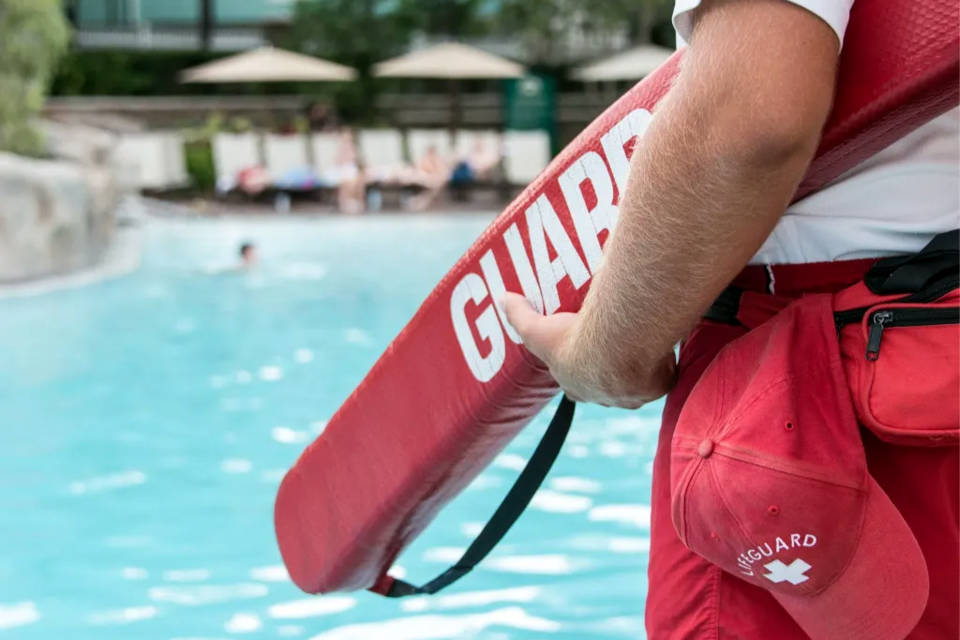
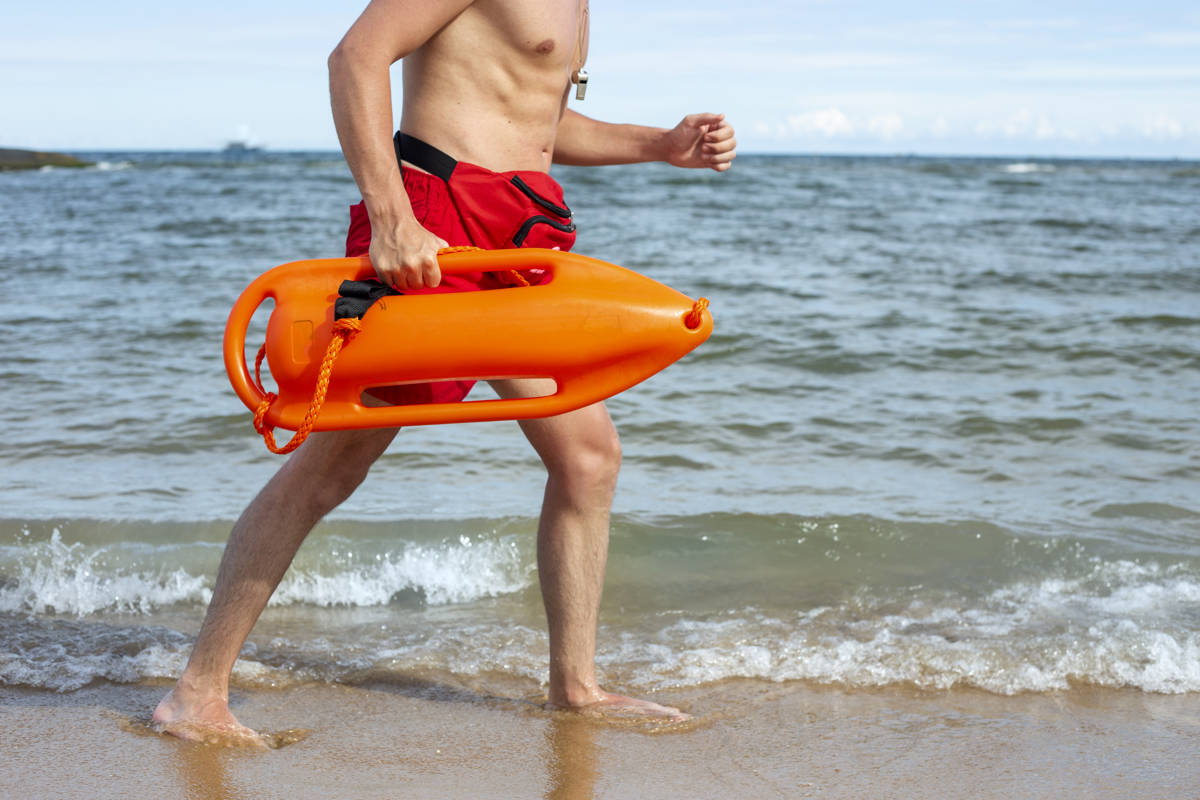
What does training look like?
At The Aquatic Training Academy, a member of The Aquatic Connection family, our American Red Cross lifeguard training courses are specifically designed to better train lifeguards in preventing, recognizing, and responding to aquatic, breathing, and cardiac emergencies in all aquatic environments. We offer certified blended-learning training courses consisting of a comprehensive online course and in-person training session.
The new American Red Cross lifeguarding courses are far more encompassing than in the past, preparing candidates to acquire the knowledge and skills in four main areas when working as a lifeguard:
Foundational lifeguarding concepts
Recognizing distress and drowning, surveillance and scanning, and recognizing and preventing injury
Water rescue and extraction
Resuscitation
(including CPR/AED for professional rescuers) and first aid for adults, children, and infants
Individual and team rescue and response
Prerequisites for In-Person Training
- Be at least 15 years old by the last day of the course
- Pass and complete the online coursework
- Pass a Pre-Skills Assessment appropriate for your course:
Shallow Swimming Pools
Complete a swim-tread-swim sequence without stopping:
- Jump into the water and totally submerge.
- Resurface and swim 50 yards using front crawl, breaststroke, or a combination of both. Swimming on back or side is not allowed. Swim goggles are allowed.
- Maintain position at the surface of the water for 2 minutes by treading using the legs only.
- Swim 50 yards using front crawl, breaststroke, or a combination of both.
Complete a timed event within 50 seconds:
- Starting in the water, swim 20 yards (face may be in or out of the water, no goggles allowed).
- Submerge to a depth of 4-7 feet to retrieve a 10-pound object.
- Return to the surface and swim 20 yards on the back to return to the starting point, holding the object at the surface with both hands and keeping the face at or near the surface.
- Exit the water without using a ladder or steps.
Swimming Pools & Waterparks
Complete a swim-tread-swim sequence without stopping:
- Jump into the water and totally submerge.
- Resurface and swim 150 yards using front crawl, breaststroke, or a combination of both. Swimming on back or side is not allowed. Swim goggles are allowed.
- Maintain position at the surface of the water for 2 minutes by treading using the legs only.
- Swim 50 yards using front crawl, breaststroke, or a combination of both.
Complete a timed event within 1 minute, 40 seconds:
- Starting in the water, swim 20 yards (face may be in or out of the water, no goggles allowed).
- Submerge to a depth of 7-10 feet to retrieve a 10-pound object.
- Return to the surface and swim 20 yards on the back to return to the starting point, holding the object at the surface with both hands and keeping the face at or near the surface.
- Exit the water without using a ladder or steps.
Deep Pools, Waterfronts & Youth Camps
Complete a swim-tread-swim sequence without stopping:
- Jump into the water and totally submerge.
- Resurface and swim 350 yards using front crawl, breaststroke, or a combination of both. Swimming on back or side is not allowed. Swim goggles are allowed.
- Maintain position at the surface of the water for 2 minutes by treading using the legs only.
- Swim 200 yards using front crawl, breaststroke, or a combination of both.
Complete a timed event within 1 minute, 40 seconds:
- Starting in the water, swim 20 yards (face may be in or out of the water, no goggles allowed).
- Submerge to a depth of 7-10 feet to retrieve a 10-pound object.
- Return to the surface and swim 20 yards on the back to return to the starting point, holding the object at the surface with both hands and keeping the face at or near the surface.
- Exit the water without using a ladder or steps.
Complete an underwater swim:
- Swim 5 yards, submerge, and retrieve three dive rings placed 5 yards apart in 4-7 feet of water. Resurface and continue to swim another 5 yards.
How long is the course?
The length of our in-person training is dependent upon our training facility’s schedule. See our locations for in-person dates and times of training.
What are the requirements to obtain my lifeguarding certification?
To obtain your lifeguarding certification, lifeguarding candidates must:
- Complete online course content before in-person training dates and send documentation to the instructor.
- Attend the entire course and participate in all class sessions.
- Actively participate in all course activities, including assuming various roles during skills practices, drills, activities, and scenarios.
- Demonstrate proficiency in all skills.
- Pass the final written exam with a minimum of 80%.
- Pass the three (3) final skills assessments, which include a timed unconscious victim rescue scenario, a rotation and scanning assessment, and a final team response scenario.
Does my certification expire?
Yes. An American Red Cross lifeguarding certification is valid for two years.
How do I maintain my Lifeguarding Certification?
To maintain certification, lifeguards must complete a Lifeguarding Recertification course before expiration.